
Rome Like the Romans Do: Vibrant Neighborhoods, Authentic Tables, and an Eternal City at Record-Breaking Heights
15 août 2026 à 23h38 · GotaNomad · Mis à jour le 16 août 2026
A city born of legend, shaped by centuries
According to the enduring legend still celebrated every April 21st during the Natale di Roma, it was in 753 BCE that Romulus, raised alongside his brother Remus by a she-wolf, is said to have founded the city on the Capitoline Hill. Founding myth or not, this date sums up Rome's spirit rather well: a city that loves to tell its own story, to pass it down, and that unabashedly layers its strata of history — ancient, early Christian, medieval, Renaissance, Baroque — sometimes on a single archaeological site. It is this dizzying accumulation of time that gives the Eternal City its nickname, and that makes it inexhaustible, no matter how many times you return.
The rioni, or how Rome is lived neighborhood by neighborhood
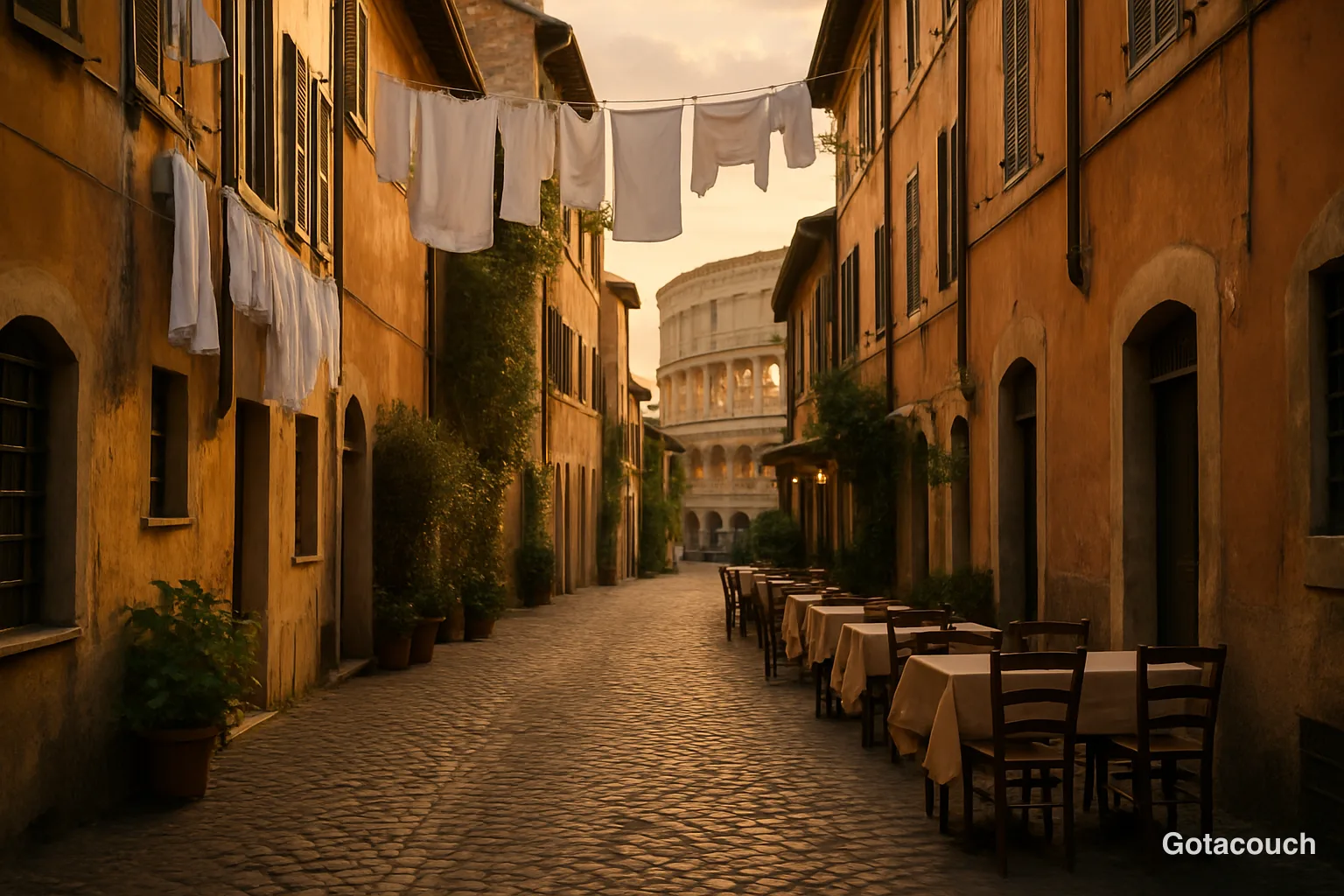
Forget the idea of a monolithic Rome: the city is best discovered through its rioni, these historic districts each of which has kept a personality all its own. Trastevere, on the west bank of the Tiber, has always cultivated a strong sense of community; having become a center of religious activity in the Middle Ages with its many churches, it also owes its dynamic, multicultural character to its past as a living space for sailors, fishermen, and immigrant workers. Today, its cobbled lanes and lively trattorias make it one of travelers' favorite districts for atmosphere.
Monti, tucked between Piazza Venezia and the Colosseum, is considered Rome's very first historic rione. Ironic, given its past: in antiquity, this then-disreputable district was a slum filled with outlaws. It has since become one of the capital's trendiest hangouts, where independent artisans and vintage boutiques mingle with a distinctly hipster flair.
Testaccio, a former working-class district built around a slaughterhouse and an artificial hill made of ancient amphora shards (Monte dei Cocci), has reinvented itself as the beating heart of Roman gastronomy. Not far away, Prati unfolds near the Vatican with its 19th-century Haussmann-style urban planning and chic boutiques, offering a more residential and elegant face of the city.
The must-sees, between myth and stone
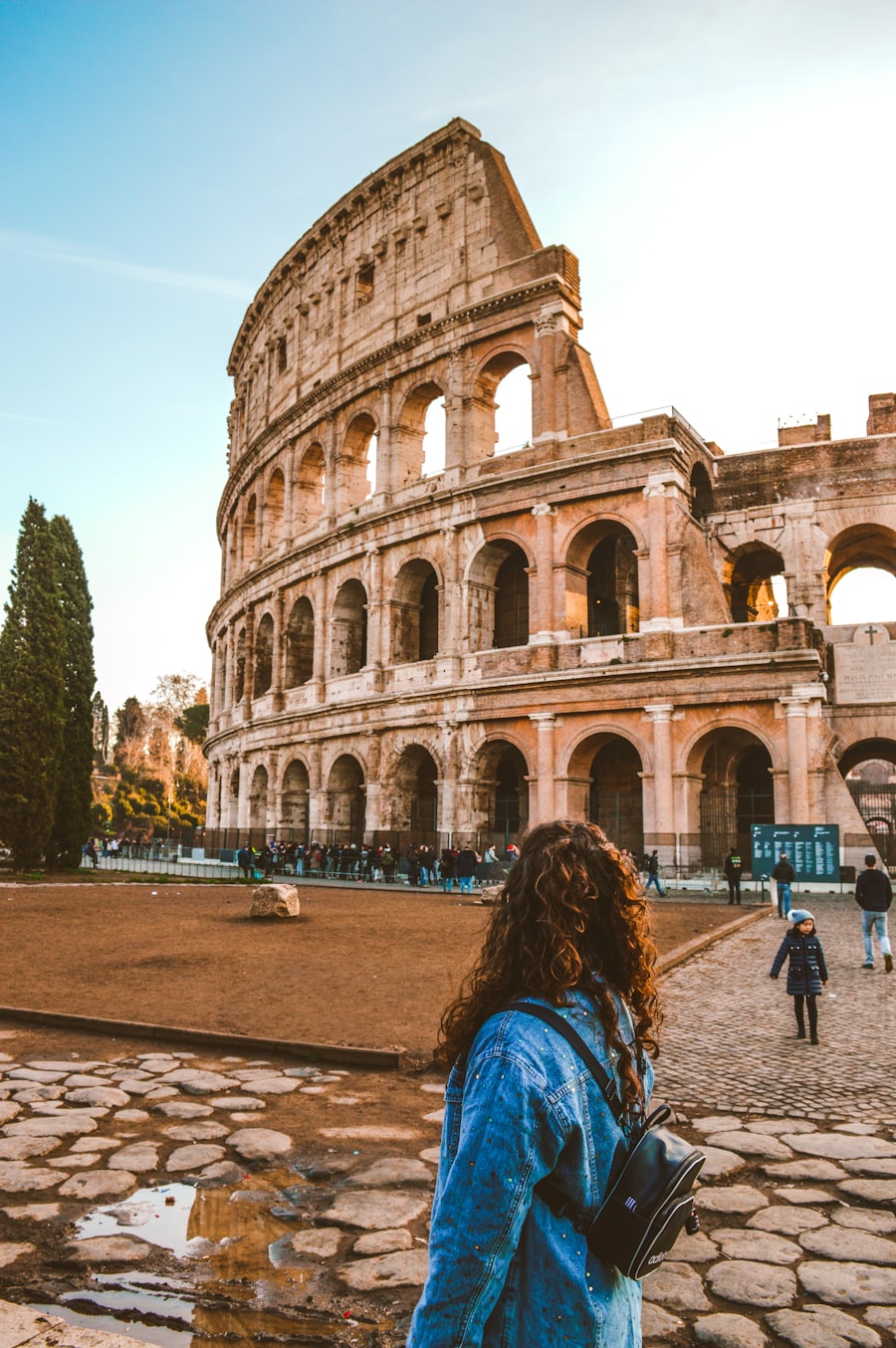
It is impossible to speak of Rome without stopping in front of the Colosseum. Built between 70 and 80 CE, this largest amphitheater ever erected in ancient Rome was originally called the Flavian Amphitheater, in honor of the dynasty that had it built. Its current name, derived from the adjective
Comments
Log in to leave a comment.
No comments yet.